SalMar Mandates NOK Green Bond as Aquaculture Sector Prices Sustainability Risk Into Senior Debt Architecture
THE SIGNAL
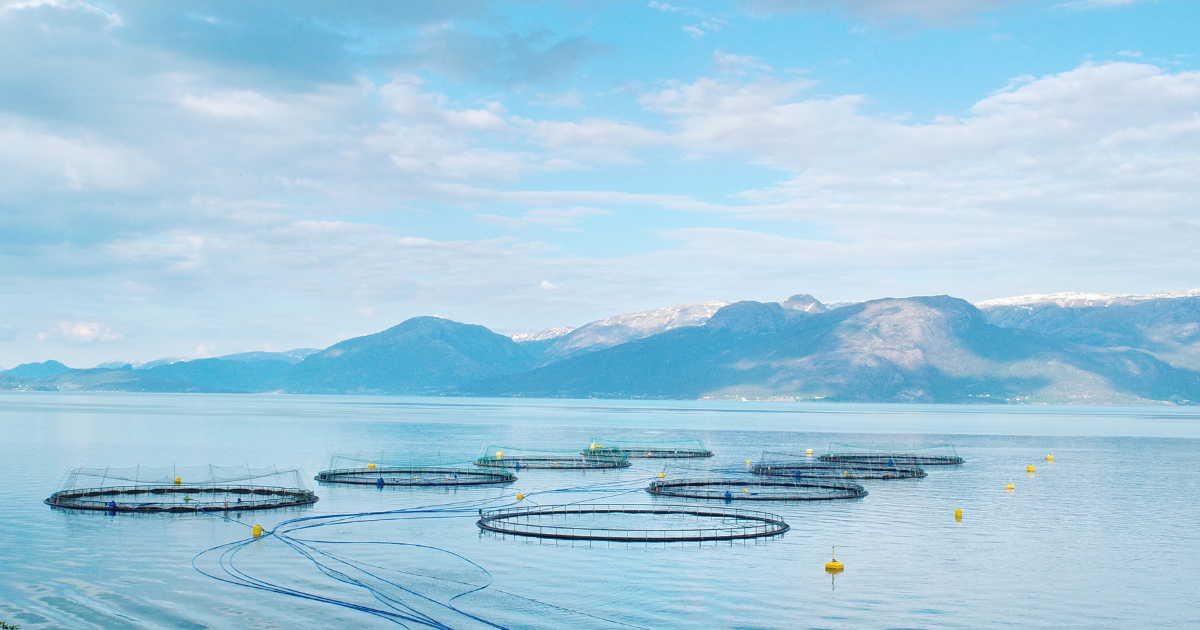
Aquaculture is one of the most capital-intensive and environmentally exposed sectors in global food systems. A salmon producer's balance sheet is directly exposed to sea lice infestation costs, feed conversion ratios, ocean temperature variance, and regulatory changes in biomass limits — all of which are material sustainability risks with direct financial consequences. SalMar, rated BBB/Stable by Nordic Credit Rating, has mandated five banks to explore a NOK-denominated senior unsecured green bond with an expected 3-year tenor and benchmark size. The mandate follows a pattern established across Nordic food and agriculture companies: embedding sustainability performance into the liability structure rather than treating it as a parallel reporting obligation.
WHY IT MATTERS
A BBB-rated senior unsecured green bond from a major aquaculture producer is a pricing reference point for the entire sector. The use-of-proceeds framework will define what counts as a green investment in salmon farming — whether that means feed efficiency improvements, sea lice management technology, reduced antibiotic use, or offshore farming infrastructure. The benchmark pricing will signal what premium, if any, institutional investors are willing to pay for sustainability-linked aquaculture debt.
JADE INSIGHT
SalMar's green bond mandate is a structural signal about how sustainability risk is being priced in food systems capital markets. Aquaculture is the fastest-growing food production sector globally, and its environmental exposure — ocean temperature, disease pressure, regulatory biomass limits — is directly correlated with climate risk. By embedding sustainability into senior unsecured debt, SalMar is forcing institutional investors to price that exposure into their credit analysis rather than treating it as a separate ESG overlay. The question for OTR readers is whether the use-of-proceeds framework will be sufficiently specific to withstand SFDR Article 9 scrutiny, or whether it will default to the broad sustainability language that has undermined credibility in the agricultural green bond market.

We read 40-page frameworks so you can read 600 words. The exchange rate favors you.
SOURCE
SalMar ASA Press Release, June 9, 2026
DISCLAIMER
This signal is for informational purposes only. It does not constitute financial, investment, or legal advice. JADE does not verify the accuracy of third-party sources. Past signals do not predict future market conditions.


Comments ()