Inspired Evolution Launches Zafiri to Channel Institutional Equity into African Energy Access. The Signal: The Aggregation Premium is Live
THE SIGNAL
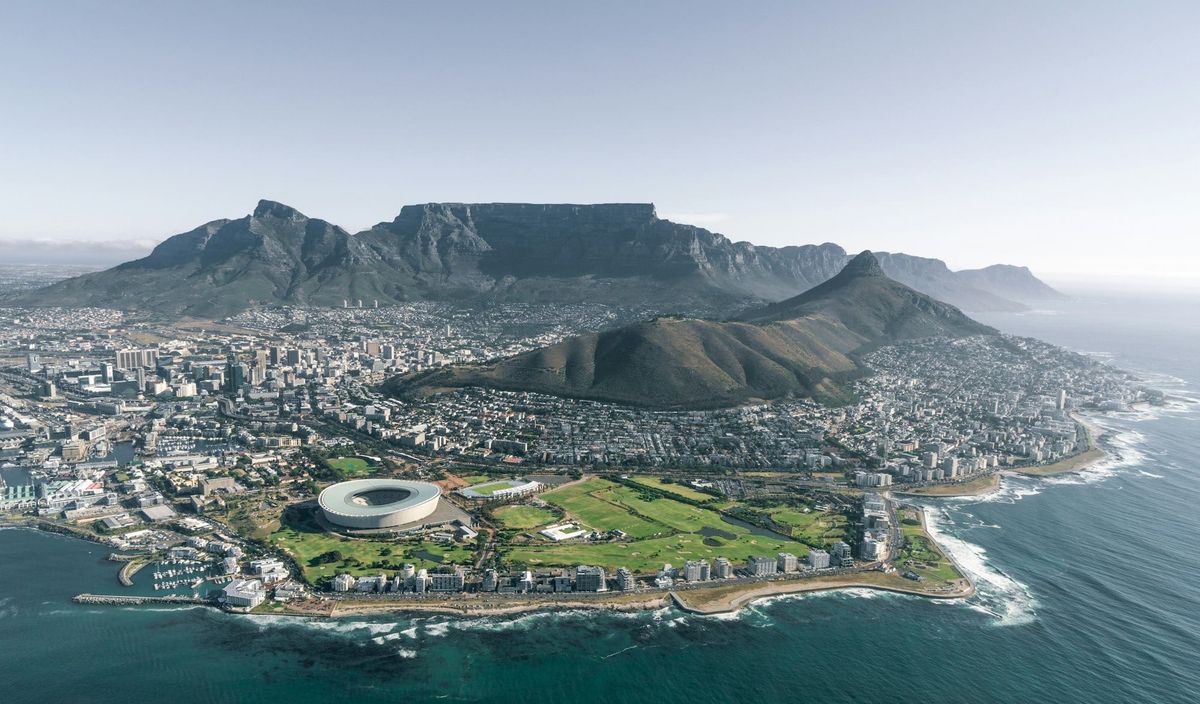
At the Africa Energy Forum in Cape Town on June 17, 2026, a consortium of development finance institutions (DFIs) and philanthropic organizations announced the commercial launch of Zafiri. Structured as a blended permanent-capital vehicle, Zafiri will deploy long-term, patient equity into Distributed Renewable Energy (DRE) companies across Sub-Saharan Africa. Inspired Evolution has been appointed as the investment manager.
The vehicle launched with $176 million in initial commitments and targets a $300 million close within 12 months, with a long-term ambition of scaling to $1 billion. The founding shareholders reflect a pure blended finance architecture: the IFC, the AfDB (via its SEFA catalytic junior equity), The Rockefeller Foundation, TDB Group, Nordic Development Fund, the MacArthur Foundation, and FirstRand (the sole commercial bank).
Zafiri explicitly targets the off-grid and rural electrification gap, with at least 50% of capital earmarked for mini-grids, solar home systems, and clean cooking enterprises to serve communities beyond the reach of traditional national grids.
WHY IT MATTERS
Zafiri is not a traditional private equity fund seeking institutional capital; it is a structural intervention designed to fix a broken capital stack.
The African distributed energy sector is currently constrained by a severe lack of risk-bearing equity, not a lack of available debt. Commercial lenders and DFIs have abundant senior debt ready to deploy, but they won't deploy it unless a strong equity sponsor is in place to absorb the "first-loss" risk.
Because traditional institutional capital (like pension funds) views off-grid African energy as too risky for primary equity investments, the debt remains frozen. Zafiri utilizes concessional and philanthropic capital to step in and act as that missing equity sponsor. By taking on the highest-risk junior equity positions, Zafiri de-risks the capital stack, theoretically allowing these DRE companies to finally draw down commercial debt and scale.
ANALYST MEMO: THE MECHANICS OF BLENDED EQUITY
For analysts: Zafiri proves that the current African energy finance model is upside-down. Institutional capital will not lead; it must be pulled in by concessional structuring.
1. The Debt-Heavy Capital Stack (The First-Loss Gap) African distributed energy companies cannot scale because they cannot access the debt they have been promised. DFIs and commercial lenders require strong equity sponsors to absorb first-loss risk. The absolute scarcity of commercial equity restricts the deployment of available debt. Zafiri provides the concessional sponsor capital required to unfreeze the debt stack.
2. The Permanent Capital Structure (Patient Horizons) Traditional closed-end private equity funds (with strict 10-year lifecycles and mandated exits) are mathematically incompatible with building off-grid rural infrastructure, which requires decades to generate returns. By structuring Zafiri as a permanent capital vehicle, the consortium removes the artificial 10-year exit pressure, allowing the capital to match the actual lifecycle of the physical infrastructure.
3. The Measure-to-Structure-to-Mobilize Play This vehicle represents the precise execution of modern blended finance. The philanthropic and DFI money (Rockefeller, AfDB) is not there to generate market-rate returns. It is there to perform the structuring and de-risking work—acting as a financial shock absorber—to make DRE equity investable enough to eventually pull commercial and institutional capital in behind it.
THE BOTTOM LINE
The African energy transition is constrained by a lack of risk-bearing equity, not a lack of debt. Zafiri uses concessional and philanthropic capital to take the first-loss position commercial lenders require — unfreezing debt that was ready to deploy but had nothing to sit behind it.
JADE INSIGHT
Blended, concessional structuring — not institutional aggregation — is what makes frontier energy assets investable. The vehicles that work are the ones willing to hold the first-loss position long enough to prove the assets out. Commercial capital follows that work; it never leads it.
Additionally, The launch of Zafiri is an admission by the global development community that commercial institutional capital will not fund the African energy transition on its own. The risk profile of off-grid electrification is simply too high for a standard pension fund mandate.
If the World Bank and AfDB intend to hit their "Mission 300" target of connecting 300 million Africans to electricity by 2030, they must entirely abandon the expectation of private-sector-led equity. Concessional and philanthropic vehicles like Zafiri must act as the primary, high-risk equity sponsors to de-risk the assets before the trillions in global commercial debt will finally flow.
SOURCE
IFC Corporate Announcement, June 17, 2026; Africa Capital Digest, June 21, 2026.
DICLAIMER
This signal is for informational purposes only. It does not constitute financial, investment, or legal advice. JADE does not verify the accuracy of third-party sources. Past signals do not predict future market conditions.


Comments ()