Hormuz Crisis Accelerates Just Transition Mechanism Negotiations at Bonn as 55 Countries Announce Emergency Energy Responses
THE SIGNAL
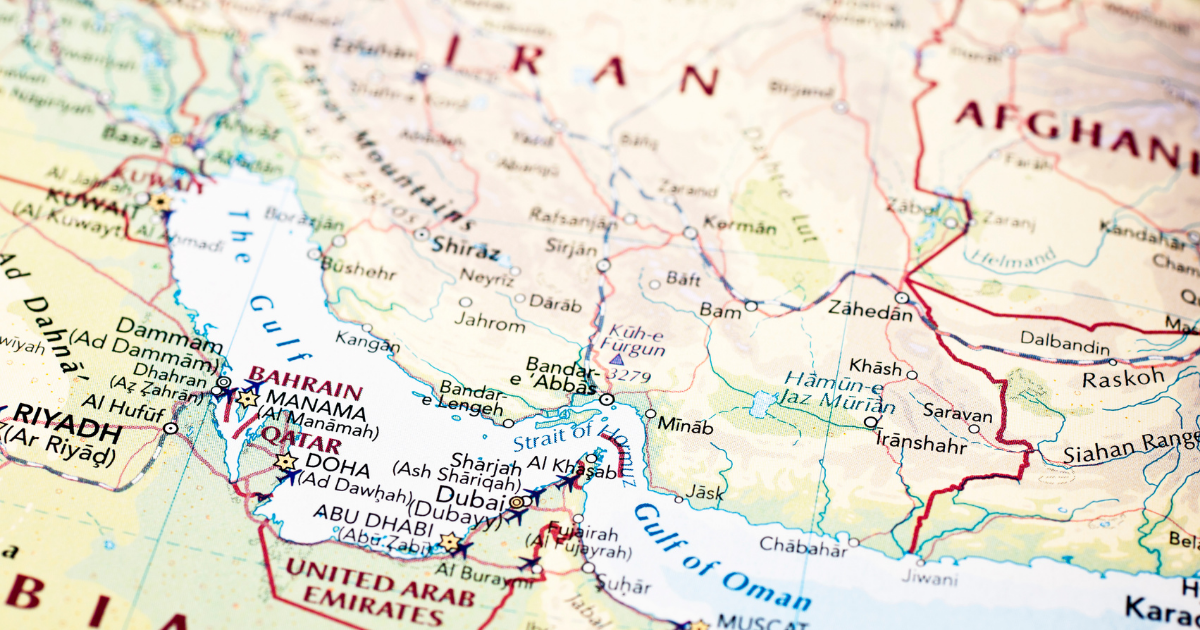
The US-Israel war with Iran and the resulting closure of the Strait of Hormuz has functioned as a live stress test of national energy systems.
The International Energy Agency has tracked the response: as of June 2026, 55 countries have announced energy conservation measures, 91 have announced direct consumer support, and 24 have announced structural policy responses. The divergence in outcomes is the signal.
Spain, which doubled its wind and solar capacity between 2019 and 2025, avoided approximately 13.5 billion euros in gas import costs and maintained electricity prices considerably lower than fossil-fuel-dependent systems such as Italy. Vietnam similarly reduced its exposure through accelerated renewables deployment. Indonesia, by contrast, expanded its fuel subsidy budget funded by cuts to government agencies — providing short-term relief with long-term fiscal consequences.
The Just Transition Mechanism, agreed at COP30 and now under negotiation at the Bonn intersessional meetings, is the UNFCCC framework designed to provide the policy support, capacity-building, and knowledge-sharing that countries need to make these structural choices under pressure.
WHY IT MATTERS
The Hormuz Crisis has converted the just transition from a long-term aspiration to an immediate fiscal and energy security imperative. Countries that delayed renewable investment are now managing emergency subsidy budgets, currency pressure from energy import costs, and political instability from consumer price shocks. Countries that accelerated the transition are operating from a position of structural advantage.
The JTM negotiations at Bonn are therefore not an abstract climate policy exercise — they are a direct response to a live geopolitical crisis that has repriced the cost of fossil fuel dependency in real time.
JADE INSIGHT
The Hormuz Crisis is the first major geopolitical event to function simultaneously as a climate finance stress test and a just transition proof of concept. Spain's renewable investment advantage — 13.5 billion euros in avoided gas costs against a fraction of that in grid investment — is the most powerful argument for accelerated transition that any government has ever had access to.
The structural question for OTR readers is whether the JTM, as currently designed, can translate this evidence into actionable policy support at the speed that the 55 countries currently managing energy emergencies require. The NDC Partnership data is sobering: 38% of just transition support requests go entirely unaddressed. The mechanism that COP30 agreed to build is urgently needed — but the scaffolding is not yet in place.

We read 40-page frameworks so you can read 600 words. The exchange rate favors you.
SOURCE
Just Transition Finance / IEA 2026 Energy Crisis Policy Response Tracker, June 8, 2026
DISCLAIMER
This signal is for informational purposes only. It does not constitute financial, investment, or legal advice. JADE does not verify the accuracy of third-party sources. Past signals do not predict future market conditions.


Comments ()